Frontline 2.0: What the Next-Generation Frontline Needs
Quick answer
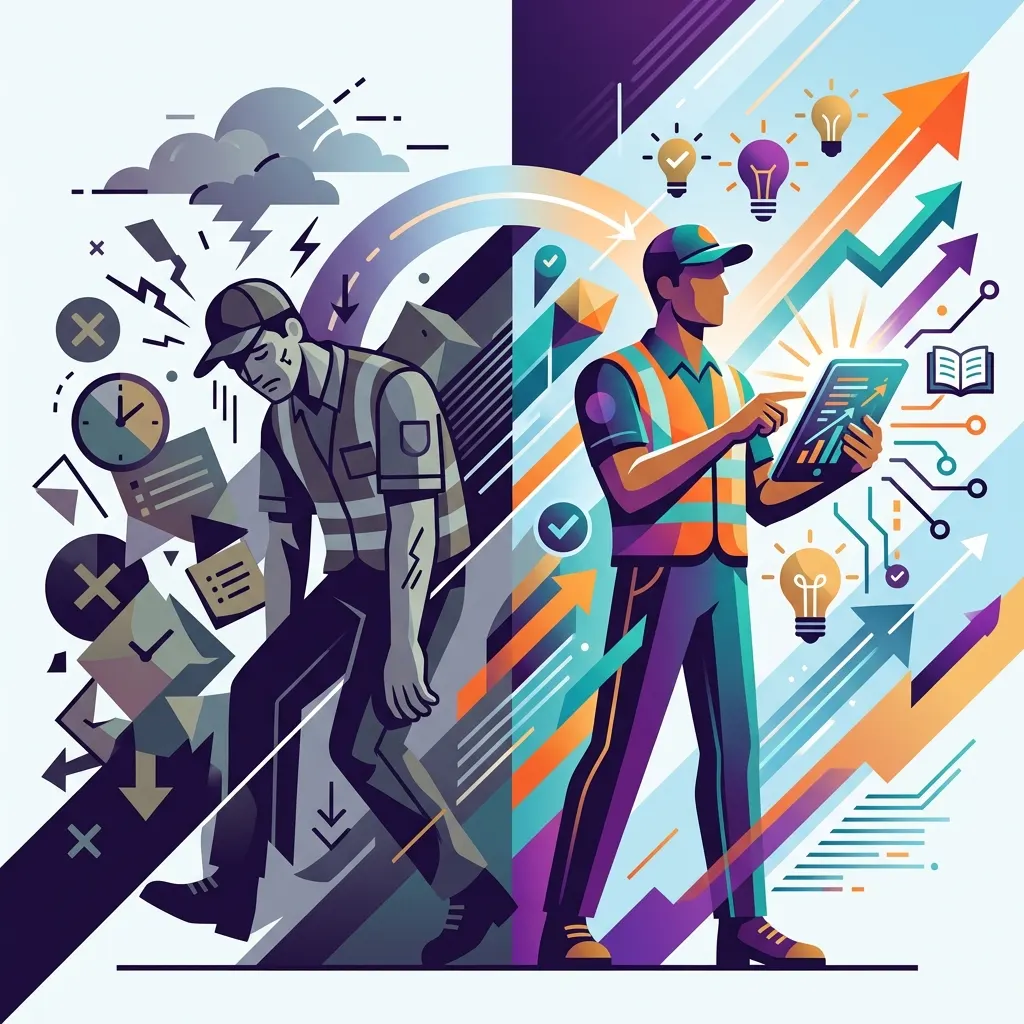
Frontline 1.0 ran on paper, classrooms and cascades. Frontline 2.0 runs on phones, AI and two-way data. Six shifts employers need to make, and where we could be wrong.
For most of the last century, the way companies ran their frontline barely changed. Information flowed down a chain: head office to regional manager to site manager to supervisor to worker. Training happened in a classroom at induction and once a year after that. Procedures lived in binders. Workers' knowledge lived in their heads. Feedback, if it existed, came from an annual survey.
Call that Frontline 1.0. It worked well enough when products changed slowly, workers stayed for years, and nobody had a smartphone.
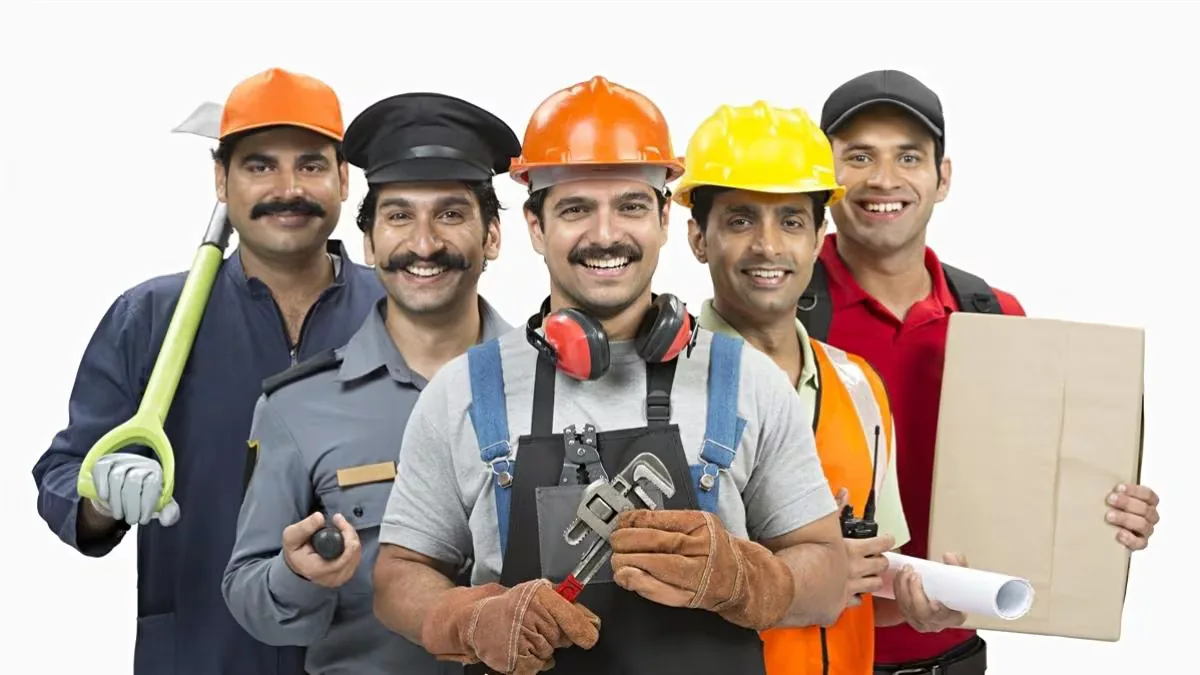
None of those conditions hold any more. Around 2.7 billion people, about 80% of the global workforce, are deskless, according to Emergence Capital. The same research notes they've historically received a tiny fraction of enterprise software investment. Most of them now carry a smartphone. The World Economic Forum expects 39% of workers' core skills to change by 2030. Turnover in many frontline roles is measured in months.
Frontline 2.0 is our name for the operating model that fits this reality. Here's what we think it looks like, the six shifts employers need to make, and where we could be wrong.
I'm Harshit, founder of Leap10x. We build a WhatsApp-first training platform for frontline teams, so I have an obvious interest in this future. I've tried to describe it in a way that's useful regardless of which tools you choose.
Shift 1: From cascade to direct
Frontline 1.0: Information travels down the management chain. Each layer filters, delays or drops it. By the time a safety update reaches the night shift, it's three days late and half-remembered.
Frontline 2.0: Critical information goes directly to every worker's phone, at the same time, in their language, with confirmation that they've seen it. Managers stay central, but their job shifts from relaying information to acting on it: following up with the few who haven't seen it, coaching, removing obstacles.
We explored why the cascade breaks down in the cascade training problem and why the manager can't be the single point of failure.
Shift 2: From classroom to continuous
Frontline 1.0: Training is an event: induction, annual refreshers, the occasional workshop. Most of it is forgotten within weeks.
Frontline 2.0: Training is a stream of short, relevant lessons delivered when they're needed: before a new task, when a product launches, when a procedure changes, a few days after a lesson to check it stuck. Three minutes, not three hours.
Shift 3: From app to access
Frontline 1.0 (digital edition): The first wave of frontline digitisation gave workers apps: an LMS app, a comms app, a scheduling app, a safety app. Each needed a download, a login and a reason to open it. Most didn't get opened.
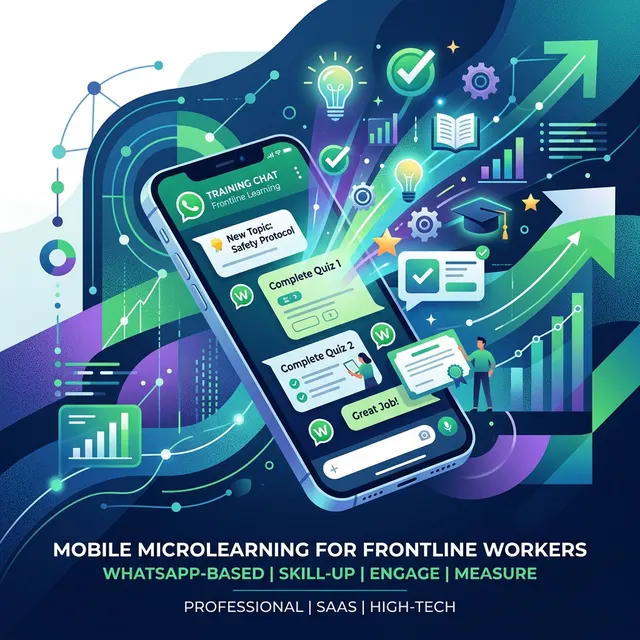
Frontline 2.0: Access is based on what workers already have: a phone number, a messaging app, a QR code at the workstation. The question shifts from "which app should workers install?" to "how do we reach them where they already are?" We made the case in the frontline AI access problem and why India's deskless workers need smarter WhatsApp, not another app.
Shift 4: From one language to every language
Frontline 1.0: Training and communication in the head office language, usually English. Workers who don't read it comfortably nod along and learn from colleagues instead.
Frontline 2.0: AI translation makes it practical to deliver every message and lesson in the languages workers actually speak, with audio for people who'd rather listen. In a country like India, that's not a nice-to-have. It's the difference between training that lands and training that doesn't.
Shift 5: From memory to assistance
Frontline 1.0: Workers are expected to remember procedures, policies and product details. When they're unsure, they guess or interrupt a supervisor.
Frontline 2.0: Workers can ask a question and get an answer, in seconds, grounded in approved company documents. Training builds the foundation; assistance handles the long tail. The point isn't to replace knowledge, it's to stop people guessing.
Shift 6: From silent to two-way
Frontline 1.0: Workers are recipients. Their views surface once a year in a survey, if at all. Problems on the floor reach head office late, filtered and softened.
Frontline 2.0: Pulse checks, quick polls and easy reporting channels let workers flag problems, suggest improvements and say what's not working, regularly and quickly. Head office can see what's actually happening, not just what the reporting chain says is happening. See frontline workers feel unheard.
What doesn't change
It's tempting to describe Frontline 2.0 as a technology story. It isn't, mostly. Several things matter as much as ever:
- Supervisors. Gallup's research suggests managers account for about 70% of the variance in team engagement. Technology makes supervisors more effective; it doesn't replace them.
- Hands-on practice. No phone lesson teaches someone to operate a machine or calm an angry customer on its own. Practice and feedback on the job remain essential.
- Dignity and trust. Workers notice whether new tools respect their time, their data and their intelligence. Tools that feel like surveillance or extra burden get resisted.
- Fair pay and decent conditions. No training or engagement platform compensates for those.
What Frontline 2.0 looks like in practice
A consumer electronics manufacturer with 6,000 plant workers, 1,500 field technicians and 400 service partners might run like this:
- A new product launches. Technicians and partners receive a short launch pack on their phones a week before it hits stores, in their language.
- A safety incident at one plant leads to a revised procedure. Every relevant worker across all plants gets a three-minute lesson the same day; supervisors see who has completed it by evening.
- A technician stuck on an unfamiliar fault asks a question in the same chat and gets the answer from the service manual, with the page cited.
- A monthly two-question pulse check shows that night-shift workers at one plant don't feel safe reporting near-misses. The plant head acts on it.
- New hires get their first lessons before day one, and their time to proficiency is tracked by cohort.
None of this requires exotic technology. It requires a different operating model.
How to start moving to Frontline 2.0
- Audit how information actually reaches your frontline today. Pick your last three important updates and trace how many workers actually received and understood them.
- Choose one direct channel that every worker can access without new apps or logins.
- Convert your most critical training into short, multilingual lessons.
- Give supervisors visibility, so they can act on who has and hasn't been reached.
- Add a feedback loop, starting with a simple monthly pulse question.
- Measure operational outcomes, not just activity: errors, safety, ramp-up time, retention.
Our L&D team of 2028 piece describes how the L&D function itself changes in this model.
Where we could be wrong
- We benefit from this framing. A future built on phones, messaging and AI-assisted training is good for a company like ours. Weigh my enthusiasm accordingly.
- Not every workforce is phone-first. Some workers don't own smartphones, some workplaces ban phones on the floor for safety or security reasons, and some regulated environments restrict personal devices. Frontline 2.0 looks different there: shared kiosks, QR stations, supervisor-led huddles.
- Direct channels can overwhelm. If every department starts messaging workers directly, you recreate the noise problem on a new channel. Governance matters.
- AI assistance can go wrong. Ungrounded AI that improvises answers on safety or compliance topics is dangerous. Frontline 2.0 only works with AI that answers from approved sources and admits when it doesn't know.
FAQ
What does Frontline 2.0 mean?
We use it to describe a modern operating model for frontline work: direct communication to every worker, continuous short training, access through phones and messaging rather than new apps, multilingual content, AI-assisted answers, and two-way feedback.
How is Frontline 2.0 different from digital transformation?
Digital transformation often meant giving frontline workers more apps. Frontline 2.0 focuses on reaching workers where they already are and changing how information, training and feedback flow, not just digitising old processes.
Does Frontline 2.0 replace supervisors?
No. It changes their role from relaying information to coaching and acting on it, which makes them more important, not less.
Where should a company start?
Audit how information reaches the frontline today, then pick one direct, no-app channel and move your most critical training and updates onto it.
CTA: Want to see what Frontline 2.0 looks like on your workers' phones? Book a demo or start free for 14 days.
Frontline training
Training software built for deskless teams
Onboarding, SOPs, safety refreshers, and compliance evidence for workers with no corporate email and no company device — tracked by site, role, and shift.