Retail Employee Training in India: How to Upskill Store Teams Across 100+ Locations
The Multi-Location Training Problem Every Indian Retailer Faces
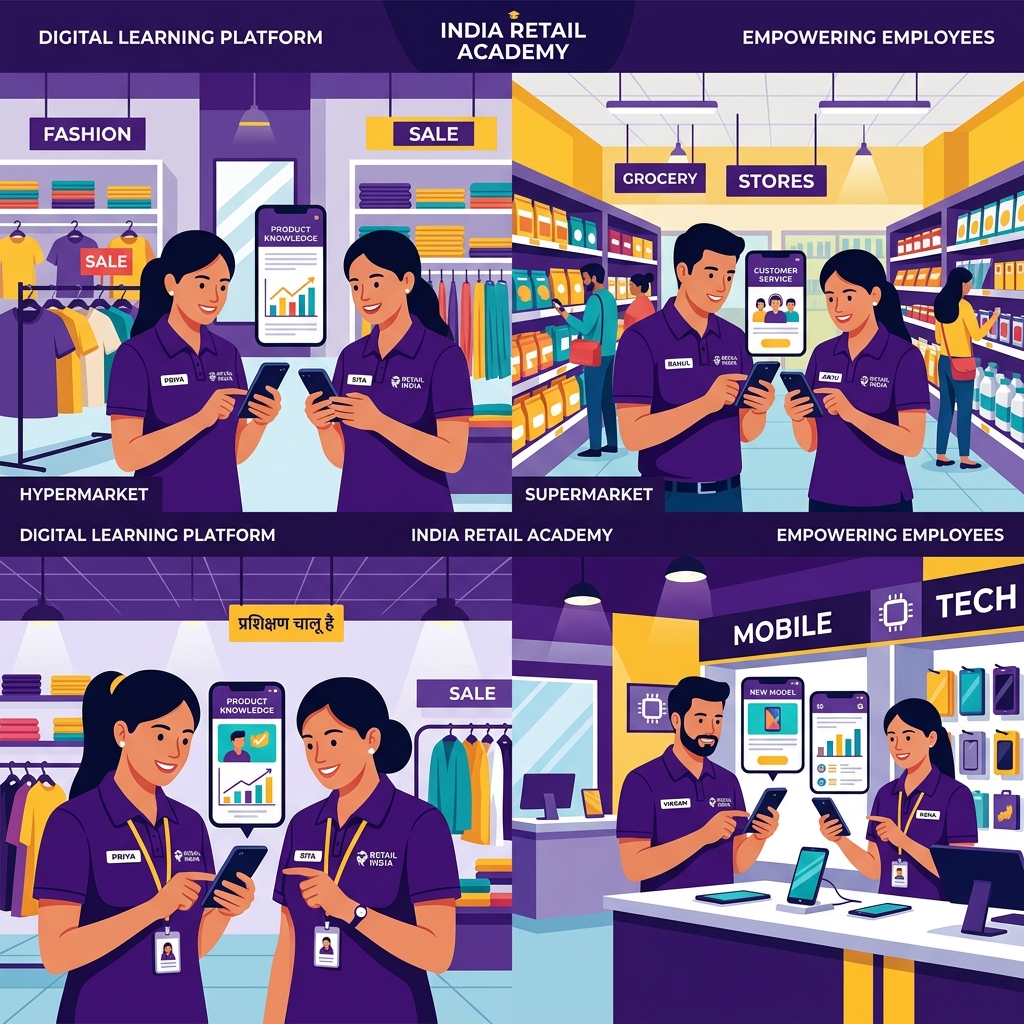
India's retail sector employs over 46 million workers. From organized chains with hundreds of stores to regional brands expanding across Tier 2 and Tier 3 cities, the industry is scaling fast. But training hasn't kept pace with expansion.
Here's the pattern: A retail chain opens its 50th store. Training that worked when there were 10 stores - the regional manager visiting each location, running a half-day session with new joiners - simply can't scale. The regional manager now covers 15-20 stores. New product launches happen every week. Seasonal promotions change every month. And store associates turn over at rates of 50-80% annually.
The result is predictable: inconsistent customer experiences across locations, product knowledge gaps that cost sales, and compliance training that happens on paper but not in practice.
If your retail business operates across 100+ locations in India, the question isn't whether you need better training. It's how to deliver consistent, effective training to thousands of store associates spread across multiple states, speaking different languages, working rotating shifts, and using only their smartphones.
Why Traditional Retail Training Methods Break at Scale
The Classroom Model Doesn't Scale
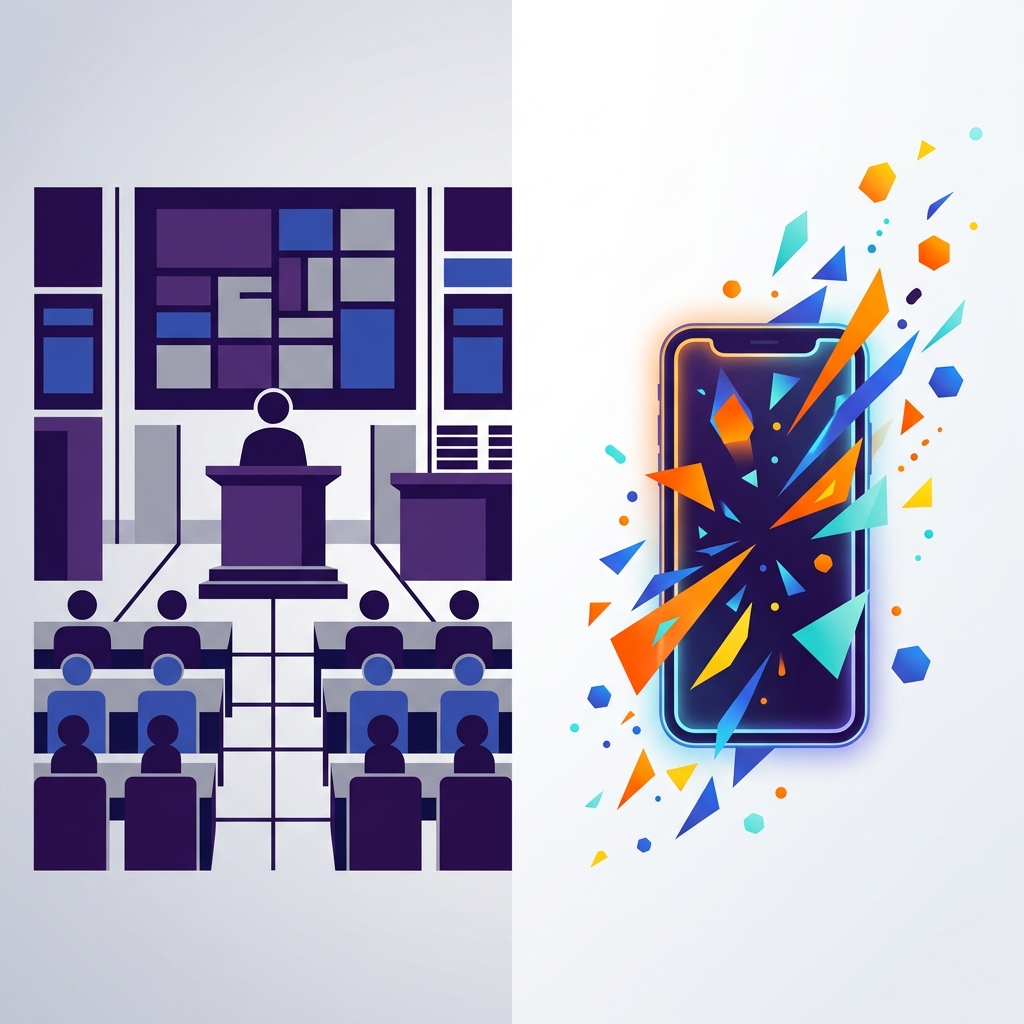
Classroom training works at 5-10 stores. A dedicated trainer visits each location, conducts a session, and ensures consistency through personal delivery. At 100+ stores, this model requires a massive training team, constant travel, and weeks of scheduling coordination just to roll out a single product training update.
The economics are punishing. If each classroom session takes 4 hours (including travel and setup) and a trainer covers 3 stores per week, training 100 stores takes over 33 weeks - eight months for a single training cycle. By the time the last store is trained, the first store's knowledge is already outdated.
E-Learning Portals Go Unused
Some retail chains invest in desktop-based e-learning platforms. The challenge: store associates don't have desktop access during shifts. They're on the floor, at the billing counter, in the stockroom. Asking them to log into an LMS on a shared backroom computer during a 30-minute break is a recipe for 20% completion rates.
WhatsApp Groups Become Chaos
Informal WhatsApp groups are the default "training" channel in many Indian retail operations. Area managers share product PDFs, training videos, and policy updates in store groups. The problem: messages get buried under hundreds of daily messages. There's no tracking, no assessment, no structure. Critical training content disappears into the chat scroll within hours.
Buddy Systems Vary Wildly
New associate onboarding often depends on whoever happens to be working that shift. One store's senior associate provides excellent guidance; another store's provides minimal help. The result: wildly inconsistent training quality and customer experience across locations.
Building a Scalable Retail Training Program for India
Pillar 1: Mobile-First, WhatsApp-Native Delivery
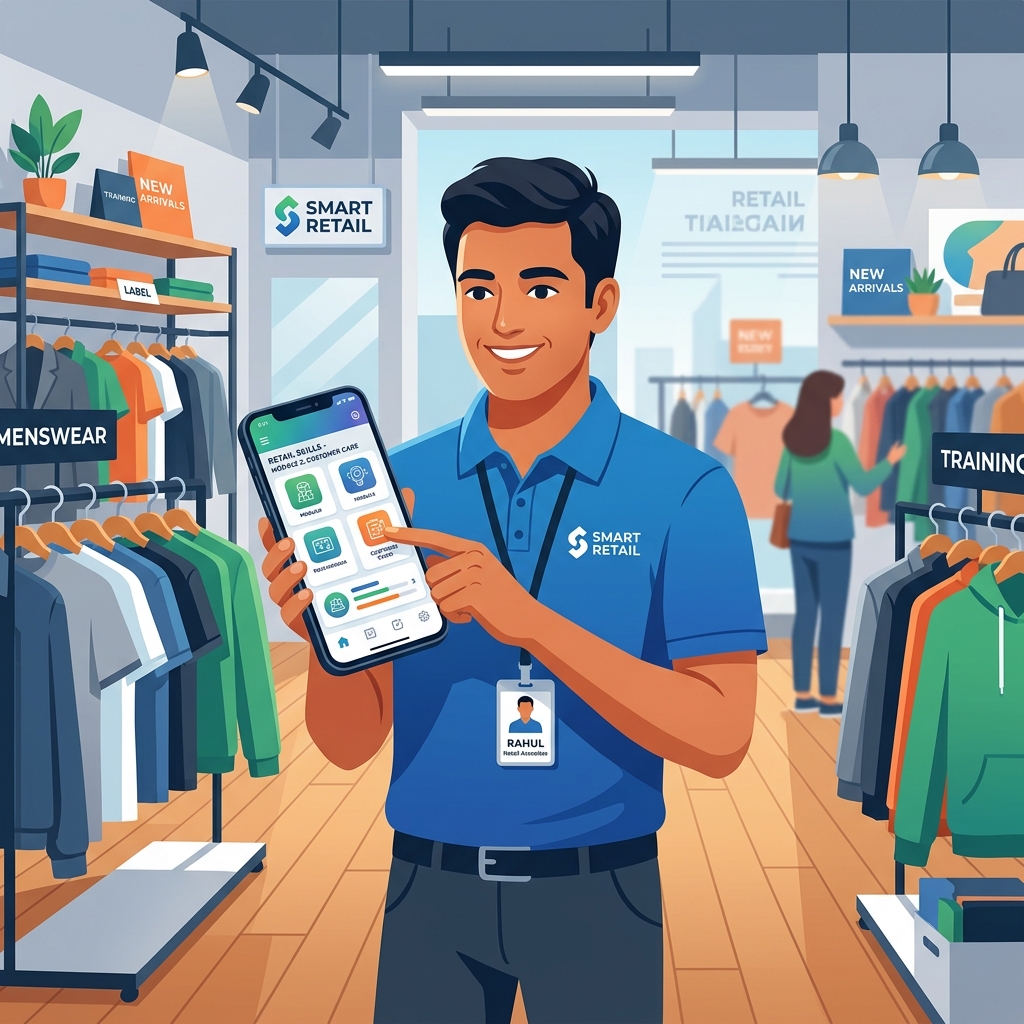
Every retail associate in India has a smartphone. Most check WhatsApp dozens of times during a shift. Training that arrives as structured WhatsApp content - not random group messages, but sequenced microlearning modules with videos, image cards, and quizzes - reaches 100% of your workforce without any additional technology adoption.
The delivery should be automated and scheduled. A new product launch triggers a training sequence: Day 1 introduces the product features, Day 2 covers pricing and positioning, Day 3 delivers a customer FAQ scenario quiz. Every associate at every location receives the same content at the same time.
For detailed mechanics of WhatsApp training delivery, see our WhatsApp-Based Training for Employees: Complete 2026 Guide.
Pillar 2: Vernacular Content for Regional Stores
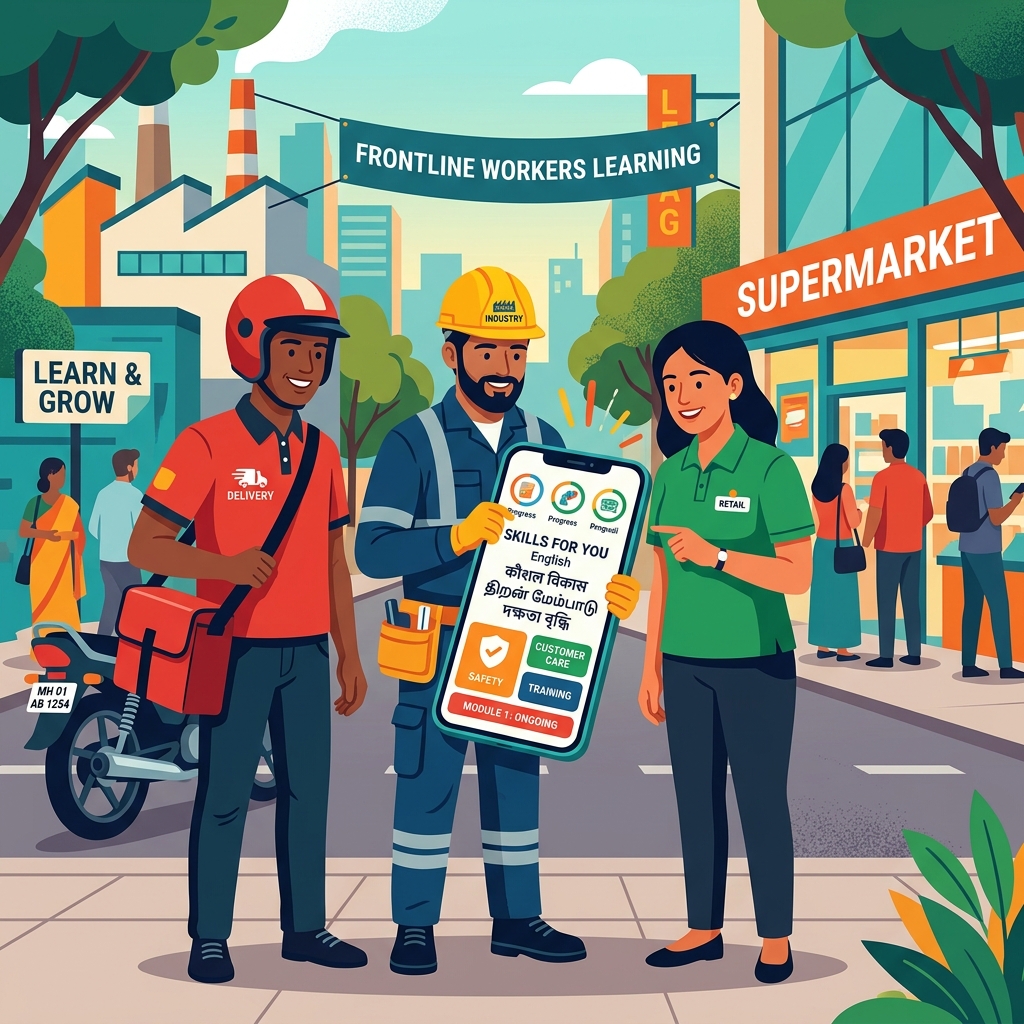
A retail chain operating from Delhi to Kochi serves customers in Hindi, Punjabi, Tamil, Telugu, Malayalam, Kannada, Marathi, and Bengali - at minimum. Store associates need to communicate product knowledge in the local language.
Training delivered in English to a Tamil-speaking associate in a Chennai store creates a double comprehension barrier: they struggle with the training content AND they can't translate that knowledge into customer conversations in Tamil.
Vernacular training delivery - auto-translated into the regional language of each store - eliminates this barrier. Associates learn in the language they think in and sell in.
For deeper insights on why regional language training outperforms English-only programs, read our piece on Vernacular Training for India's Frontline.
Pillar 3: Modular Training Architecture
Retail training isn't one thing. It's several distinct training needs that require different content, cadence, and measurement:
Onboarding (First 7-14 days):
- Brand values and culture
- Store operations basics (opening/closing procedures, POS system, inventory management)
- Customer service standards
- Grooming and dress code
- Safety and emergency procedures
Product Knowledge (Ongoing, event-driven):
- New product launches (features, pricing, target customer)
- Seasonal collection updates
- Competitive product comparisons
- Cross-selling and upselling techniques
Compliance (Quarterly):
- Consumer Protection Act awareness
- Return and exchange policy
- Data handling (customer PII)
- Anti-theft and loss prevention
- POSH (Prevention of Sexual Harassment) training
Skill Development (Monthly):
- Visual merchandising basics
- Customer objection handling
- Billing and POS proficiency
- Inventory counting and stockroom management
Each module type should be short (3-5 minutes), visually rich (product images, demo videos), and assessed (scenario questions that test application, not recall).
Pillar 4: Store Manager as Training Reinforcer
No mobile training platform replaces the store manager's role in training. But the platform should amplify it. Store managers should receive:
- Dashboard visibility into their team's training completion and scores
- Alerts when team members fail assessments or skip modules
- Discussion guides for reinforcing training during daily huddles
- Checklists for observing trained behaviours on the floor
The store manager becomes a training coach rather than a trainer - reinforcing and applying what the platform delivers.
Pillar 5: Speed of Content Updates
Retail moves fast. A new promotion launches Monday. A competitor drops prices on Tuesday. A product gets recalled on Wednesday. Training content must update at the speed of the business.
The right platform allows L&D teams to create and push training updates to all stores within hours, not weeks. AI-assisted content creation accelerates this further - a product brief becomes a training module in minutes, auto-translated and delivered across all store languages by the next shift.
Measuring Success in Multi-Location Retail Training
Store-Level Comparisons
The multi-location model gives you a built-in experiment: compare trained stores vs. undertrained stores on the same metrics. Key measurements:
- Mystery shopper scores: Do trained stores deliver better customer experiences?
- Average transaction value: Do associates with product training sell more effectively?
- New hire 30-day retention: Do stores with better onboarding training retain more new joiners?
- Compliance audit scores: Do trained stores pass audits at higher rates?
Correlate Training Data with Sales Data
Link training completion data to store sales performance. Which product training modules correlate with higher sales of those products? Which stores with highest training engagement also show highest NPS scores? These correlations build the business case for continued training investment.
For a broader perspective on how frontline worker etiquette impacts business performance, see our piece on Building a Frontline Brand: How Worker Etiquette Impacts Business Growth.
Getting Started: The 100-Store Playbook
Week 1-2: Audit current training gaps. Survey store managers on their top training pain points. Identify the 3-5 most critical training needs.
Week 3-4: Build the first training sequence (recommended: new joiner onboarding or upcoming product launch). Design 5-7 microlearning modules with video, images, and assessments.
Week 5-6: Pilot with 10-15 stores across different regions and languages. Measure completion rates, assessment scores, and store manager feedback.
Week 7-8: Refine content based on pilot data. Auto-translate into all required languages. Roll out to all stores.
Ongoing: Establish a weekly content calendar. New product training on Mondays. Compliance refreshers on the first of each month. Skill-building modules every Wednesday.
The Bottom Line
Training 1,000+ retail associates across 100+ stores in India requires a fundamentally different approach than training a team of 20 at a single location. The content must be mobile-native, vernacular, and short. The delivery must be automated and trackable. The cadence must match the speed of retail.
The technology to do this exists today. The question is whether your retail operation will adopt it in 2026 or continue watching inconsistent store experiences erode your brand.
Ready to train your entire retail workforce - every store, every language, every shift? Explore Leap10x - WhatsApp-native training built for India's multi-location retail operations.