How to Train a Multilingual Frontline Workforce (Without Spending Months on Translation)
Quick answer
A consumer goods company with 12,000 frontline employees across India faces a challenge that looks simple on paper and is nightmarish in practice: their…
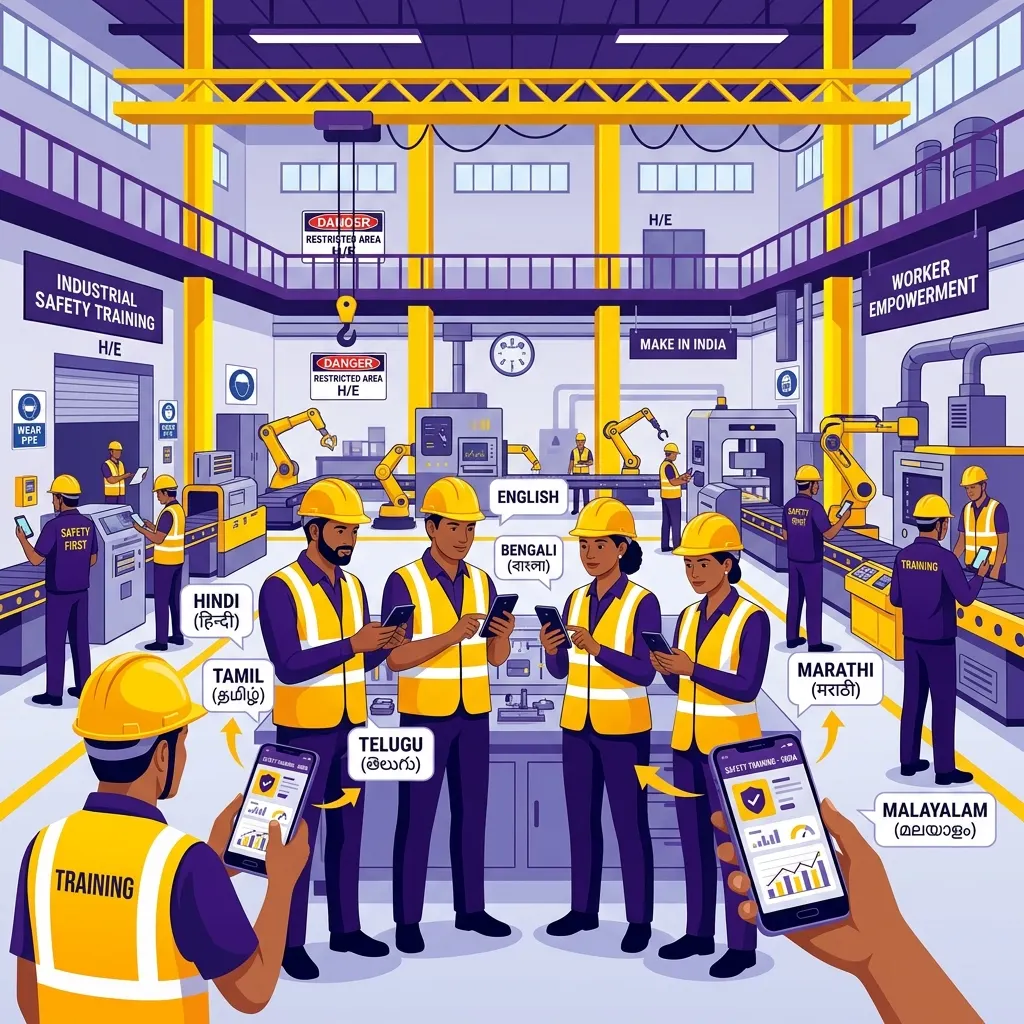
A consumer goods company with 12,000 frontline employees across India faces a challenge that looks simple on paper and is nightmarish in practice: their workforce speaks Hindi, Tamil, Telugu, Kannada, Bengali, Marathi, Gujarati, Malayalam, Punjabi, and Odia. Their training content exists in English.
The L&D team has three options - manual translation (expensive and slow), regional trainers (inconsistent), or AI auto-translation (fast and scalable). This article makes the case for AI auto-translation and lays out how to implement multilingual frontline training at scale.
Why Language Is the Hidden Training Gap
Approximately 83% of frontline workers globally don't have corporate email addresses - which often correlates with limited English fluency. A worker who watches a safety video in English might understand 60%. The same worker watching in their mother tongue understands 95%. That 35-point comprehension gap is where safety incidents, compliance failures, and customer service breakdowns live.
Related reading: Vernacular Training for India's Frontline: Why Regional Languages Beat English-Only Programs
The Three Multilingual Training Models
Model 1 - Manual Translation (Accurate but Impossibly Slow)
6-8 weeks per language, ₹50,000-₹1,00,000 per language, version control nightmares when source content changes. Most organisations give up after the first cycle.
Model 2 - Regional Trainers (Quality Varies Wildly)
Each trainer interprets and modifies material based on their own understanding. Inconsistent quality. Scales linearly - more locations require more trainers.
Model 3 - AI Auto-Translation (Fast, Scalable, Continuously Updated)
Author content once. AI translates into all target languages simultaneously. When the source updates, all translations update. Modern AI translation has reached 95-99% accuracy for major Indian languages.
Leap10x's AI engine translates micro-courses into 70+ languages automatically. A course authored in English at 9 AM is available in 12 Indian languages by 9:10 AM.
Beyond Translation - True Multilingual Training Design
Voice-First for Low-Literacy Workers
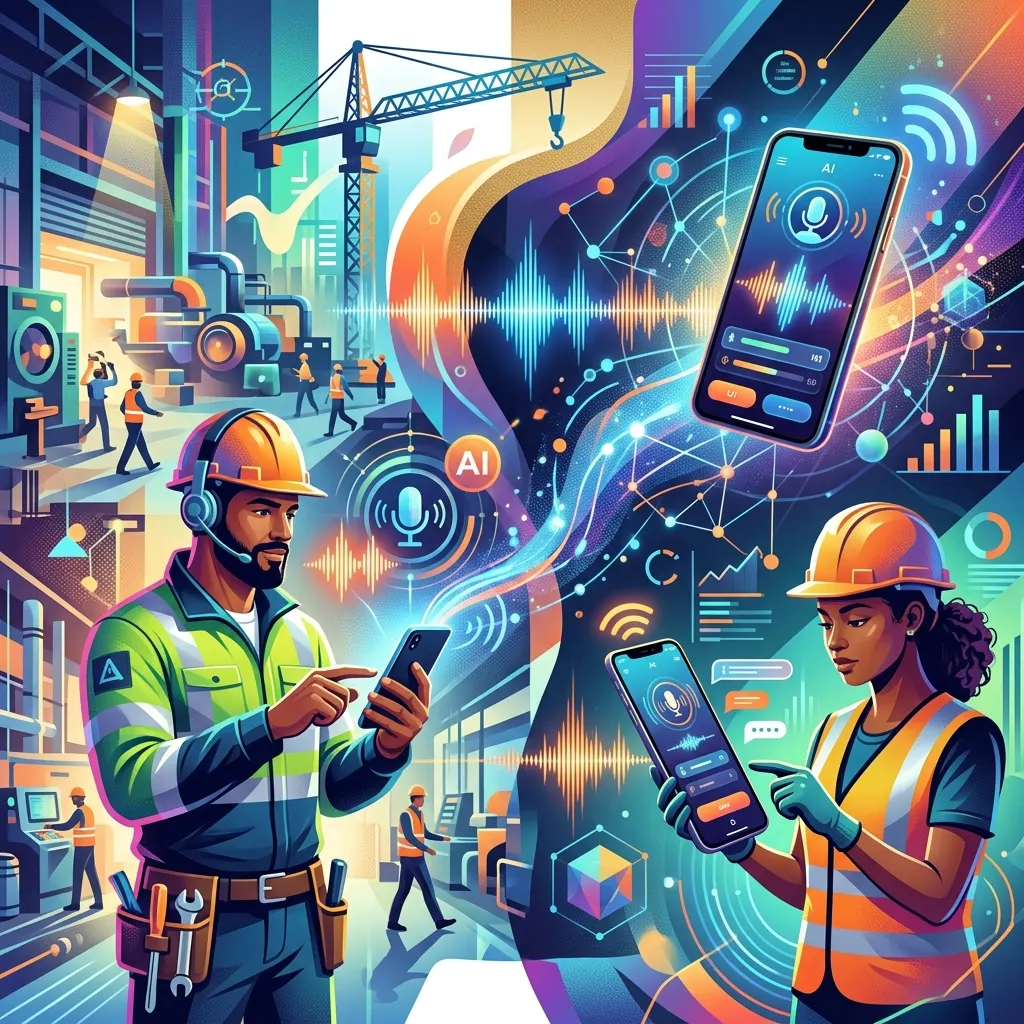
Workers who speak their language fluently but struggle with reading it need voice-based content. Leap10x Assist enables voice note queries and responses in regional languages.
Visual Universals Reduce Translation Dependency
Universal safety symbols, process flow diagrams, and annotated photographs communicate across language barriers.
Code-Switching Support
Many Indian frontline workers code-switch - mixing Hindi and English. Leap10x Converse understands code-switching and evaluates responses accurately regardless.
Implementation Roadmap
- Map Your Language Landscape - Survey which languages cover 90% of your workforce.
- Author in One Source Language - Clear, simple, instructional English.
- Deploy AI Auto-Translation - Verify top 3-5 languages with native speakers initially.
- Enable Voice-First Interaction - Unlock your platform for less confident readers.
- Measure by Language - Track scores by language segment to identify translation quality issues.
The Bottom Line
In 2026, with AI translation producing 95%+ accuracy in 70+ languages, there's no defensible reason to deliver frontline training only in English - or to spend months on manual translation.
Your content is already good enough. Your delivery channel is already in every worker's pocket. The missing piece is language - and AI has solved it.
Train every worker in the language they think in. Leap10x auto-translates into 70+ languages - one click, no manual translation.
Microlearning
Turn your SOPs into 3-minute modules
Upload a PDF, deck, or video and Leap10x's AI builds micro-modules with quizzes and spaced-repetition schedules — delivered where your frontline already is.