Zero-Incident Workplaces: Building a Data-Driven Safety Training Culture
Quick answer
Zero-incident goals are common in manufacturing, construction, and logistics.
Zero-incident goals are common in manufacturing, construction, and logistics. But most organizations pursue them through annual safety workshops and compliance checkboxes rather than a systematic, data-driven approach.
From Reactive to Predictive Safety Training
Most safety training is reactive: an incident occurs, an investigation happens, a retraining session is scheduled. Data-driven safety training flips this model - using training data to identify where the next incident is most likely and intervene before it happens.
The Zero-Incident Training Framework
Layer 1: Continuous Micro-Training
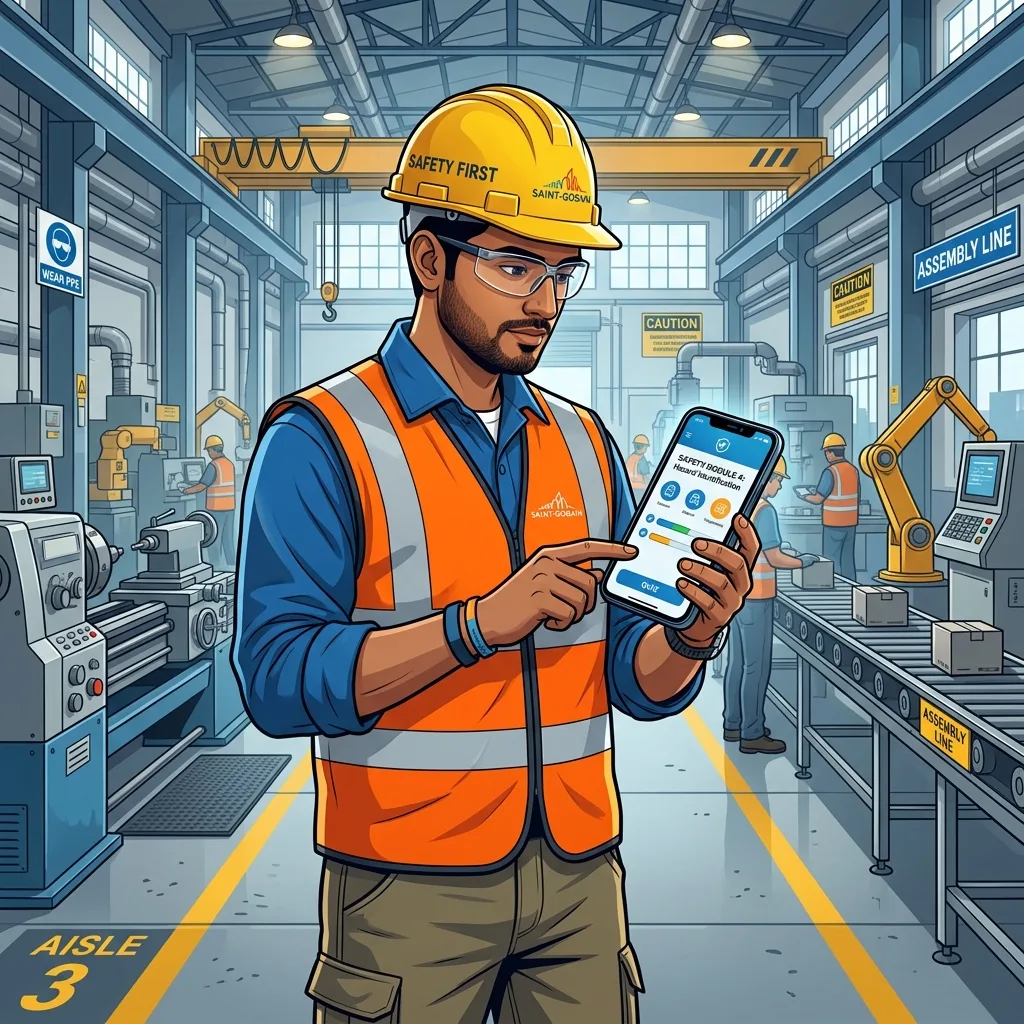
Push weekly safety micro-modules covering specific hazards. Each module is 2-3 minutes. Workers complete them on their phones before shifts.
Layer 2: Data-Driven Targeting
Analyze quiz scores by team, location, and topic. If workers at Plant B consistently score 40% lower on chemical handling questions than Plant A, that is a leading indicator of where the next chemical incident will occur. Deploy targeted training before it happens.
Layer 3: Incident-Triggered Reinforcement
When a near-miss or incident occurs, immediately push relevant safety modules to all workers at that location.
Layer 4: Behavioral Verification
Use scenario-based assessments to test judgment: "You notice a coworker not wearing PPE. What do you do?"
Metrics for a Zero-Incident Culture
| Metric | What It Tells You |
|---|---|
| Safety quiz scores by location | Where knowledge gaps exist before incidents happen |
| Training completion rates | Which teams are at risk due to non-completion |
| Near-miss reporting frequency | Whether workers feel safe enough to report |
| Incident rate trends | Whether training is correlating with fewer incidents |
Build Your Zero-Incident Training Culture with Leap10x
Leap10x delivers continuous safety training via WhatsApp. AI converts safety materials into visual micro-modules in regional languages. Real-time analytics identify knowledge gaps by team and location.
Start building a zero-incident workplace with Leap10x →
A zero-incident goal without a data-driven training system is just a poster on the wall.
Frontline training
Training software built for deskless teams
Onboarding, SOPs, safety refreshers, and compliance evidence for workers with no corporate email and no company device — tracked by site, role, and shift.